The Breach That Changed Everything: A CEO’s Wake-Up Call on Security and Compliance
Michael Carter had always been a forward-thinking CEO. He led his company, a rapidly growing enterprise that had acquired multiple firms in the past three years, with a bold vision. Each acquisition brought in new technologies, new teams, and new opportunities. But lurking beneath the surface was a problem he hadn’t fully grasped - security and compliance were an afterthought in his company’s aggressive expansion strategy.
Then, the unthinkable happened.
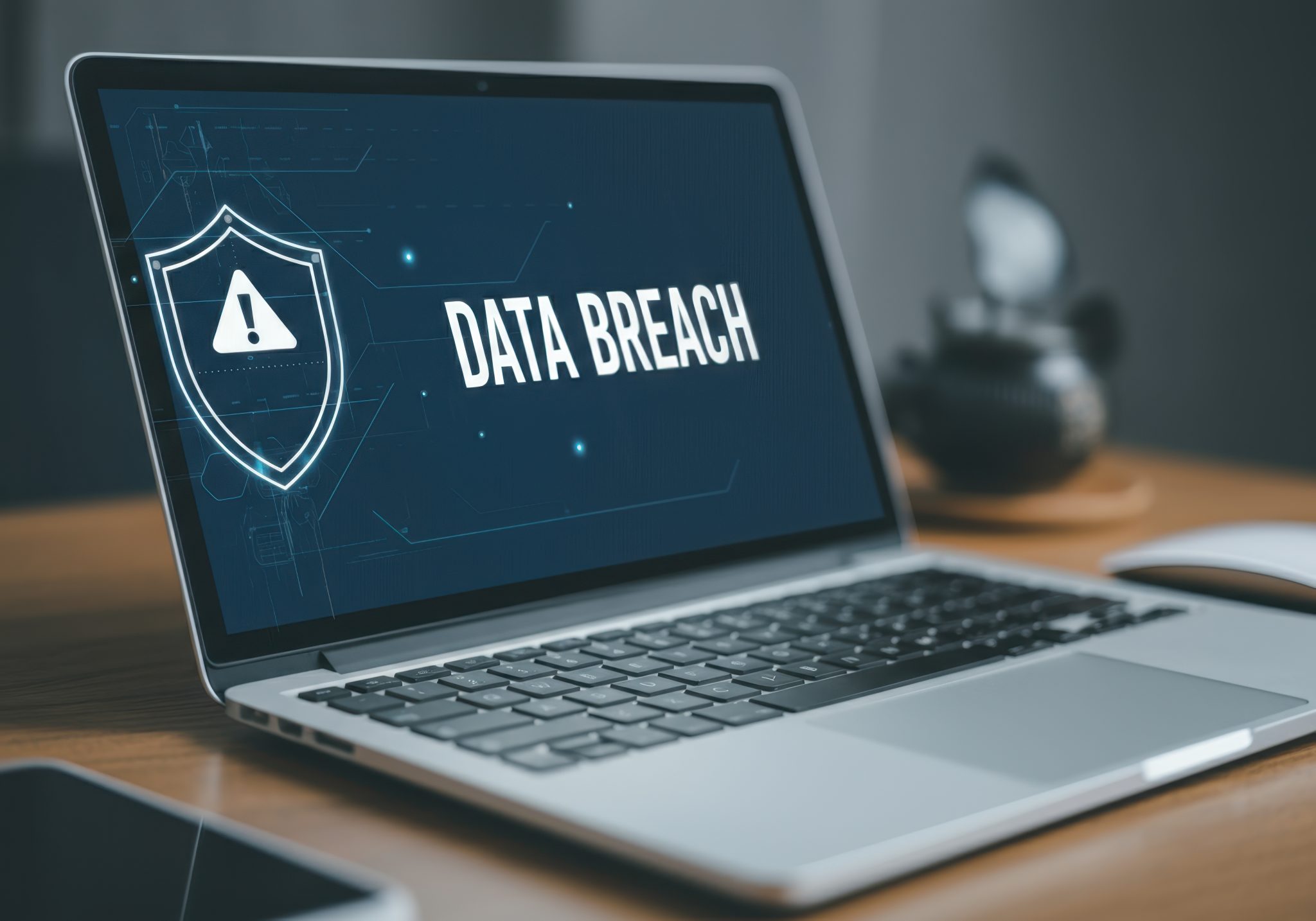
One morning, Michael received an urgent call from his CISO. A major data breach had exposed thousands of customer records - personal information, financial data, and even proprietary business intelligence. Worse, initial forensics suggested the breach had been ongoing for months, undetected. The root cause? A misconfigured cloud database from one of their newly acquired companies, left unprotected due to the lack of a standardized security framework.
The Fallout: A Harsh Lesson in Security Blind Spots
As Michael scrambled to understand the extent of the damage, he quickly realized how deep the security and compliance challenges ran within his organization:
- Disjointed Security Policies: Each acquired company had its own approach to security, and none of them aligned.
- Lack of Compliance Oversight: The company handled sensitive customer data across multiple industries, yet there was no centralized enforcement of SOC 2, GDPR, or other regulatory standards.
- Shadow IT and Unsecured Access: Employees had been using unapproved tools, unknowingly creating security gaps that went unnoticed.
- Delayed Incident Response: Without real-time security dashboards, the IT team had no way of detecting the breach until external reports surfaced.
As the news of the breach spread, regulators, investors, and customers demanded answers. Michael found himself facing not only financial penalties but also reputational damage that could take years to repair.
The Turning Point: A Strategic Technology Framework for Security
Determined to never let this happen again, Michael and his executive team made security and compliance a top priority. They brought in STG’s Strategic Technology Framework to overhaul their approach, ensuring that DevSecOps, policy enforcement, penetration testing, and security dashboards became integral to their operations.
The transformation wasn’t easy, but it was necessary. By embracing a proactive, structured approach to security and compliance, Michael’s company not only regained trust but also became an industry leader in cybersecurity best practices.
His story serves as a powerful reminder: Security isn’t just an IT problem - it’s a business imperative. And for executives leading technology-driven organizations, the cost of ignoring it can be devastating.
Continue reading to explore the security and compliance challenges in the STG Strategic Technology Framework and how C-suite leaders can overcome them…
Security and compliance are critical pillars of any organization’s technology strategy. Within the STG Strategic Technology Framework, the Security and Compliance dimension encompasses several essential aspects, including DevSecOps, policy enforcement, data privacy, risk categorization, SOC 2 compliance, penetration testing, and security dashboards. While these functions are indispensable for business continuity and regulatory adherence, they present significant challenges for C-suite executives who often lack the technical expertise necessary to manage them effectively.